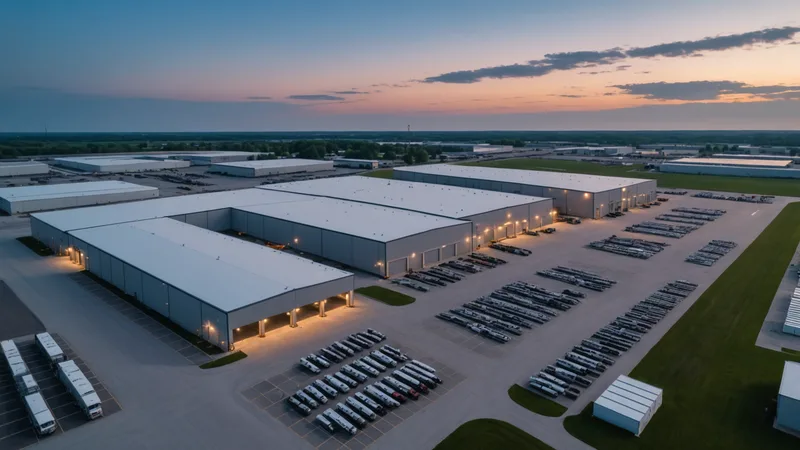
What we hear from Midwest plant teams
We are based in Chicago, so our early conversations about operations AI tools have mostly been with plants in Illinois, Wisconsin, Michigan, and Ohio. The message is remarkably consistent. It does not fit the idea that AI is either sweeping through manufacturing or being rejected entirely.
The picture is more specific: plant teams are interested, they have concrete questions, and they want a tool to do one narrow thing well before they trust it with anything broader.
Cautious curiosity, not blanket skepticism
The question we hear most often is: "We have been hearing a lot about this, and we want to understand what it actually means for a floor like ours." That is not dismissal. It comes from teams that have seen too many platforms solve problems they did not have and now want to do their due diligence before getting excited.
When skepticism appears, it is usually about implementation cost and timing, not whether AI can be useful. Plant teams at growing manufacturers in the Midwest remember CRM deployments that took two years, ERP implementations that still carry launch workarounds, and "smart manufacturing" projects that produced dashboards nobody uses. Their question is not "this is not real." It is "what will this cost us in time and disruption?"
The one-thing-well requirement
A new tool needs to solve a specific existing problem before it earns support for anything broader. The question is not "can your platform do X, Y, and Z?" It is "can it answer what my shift supervisors ask every morning without a three-system lookup?"
This is different from the usual enterprise software buying pattern. It is closer to how a tradesperson evaluates equipment: does it do the specific job better than what I have now, and does it break less often? Reliability on the core function matters more than feature breadth.
In operations AI, the core function that comes up most often is operational data retrieval. Operators and supervisors want to ask what happened on the floor and get an answer from the plant's own data, without logging into three systems or waiting for an engineer to pull a report. The use case is narrow enough to be credible and common enough to matter to most plants.
The long-implementation aversion
If one thing consistently disqualifies a tool in early Midwest plant conversations, it is implementation length. A tool requiring a three-month IT project to connect, a custom dashboard build, and a four-day operator training program has lost most of the room before the demo ends.
This is not laziness or risk aversion. It is a rational use of attention at plants where operations managers have production schedules to hit and IT teams are already stretched. A plant running two shifts with 80 operators does not have a dedicated technology adoption team. The plant manager or production manager often makes the buy decision, with the expectation that underestimated implementation work will land on them.
The tools that gain traction can show a first connection and a first answer in one working session. That is the bar. It is not technically easy, but it is reasonable operationally.
What AI anxiety looks like in practice
We hear one concern often enough to name it. Some plant team members worry that an AI operations tool will change undefined job roles or surface information that creates accountability for decisions people thought were invisible. "If this thing can tell my boss what happened on every shift, what does that mean for how mistakes get handled?"
Those concerns are real, and they have an organizational dimension a software vendor cannot solve. Our focus is giving operators and supervisors better access to the data they need, not creating surveillance layers or performance monitoring. Tendrel reads maintenance history, monitoring alerts, and production output from systems already collecting that information. Making existing data queryable for the people doing the work is different from adding new monitoring.
That distinction matters, but it needs to be clear early. Plants where an AI tool is introduced by IT or finance rather than by operators tend to develop more resistance than plants where operators join the first demo.
The preference patterns emerging
Conversations during our early-access period point to a few clear preferences. Midwest manufacturers want tools that read data they already have, without new sensors or changes to logging. They prefer monthly pricing over multi-year contracts, so the tool must show value within the first 90 days to reach renewal. They also want vendors to name the specific data sources they connect to and explain the integration, rather than simply promise to "connect all your operational data."
These preferences are not unique to the Midwest, but we have heard them across the plant sizes and subsectors we have encountered: automotive parts, food and beverage processing, industrial fabrication, and packaging. The systems and supervisors' questions vary. The preference for narrow, credible, fast-to-implement tools does not. Plant team attitudes change when the first connection produces a useful answer in the same working session.